Composite bonding and veneers can both improve chipped edges, small gaps, uneven lengths and teeth that never quite matched. They are very different treatments, though, and the right choice depends on your teeth, your goals and how long you want the result to last.
What is composite bonding?
Composite bonding uses tooth-coloured resin that is applied directly to the tooth, sculpted by hand and hardened with a curing light. In most cases no drilling or anaesthetic is needed. The results are immediate, so you leave the same appointment with a visibly improved smile. Read more about composite bonding.
What are veneers?
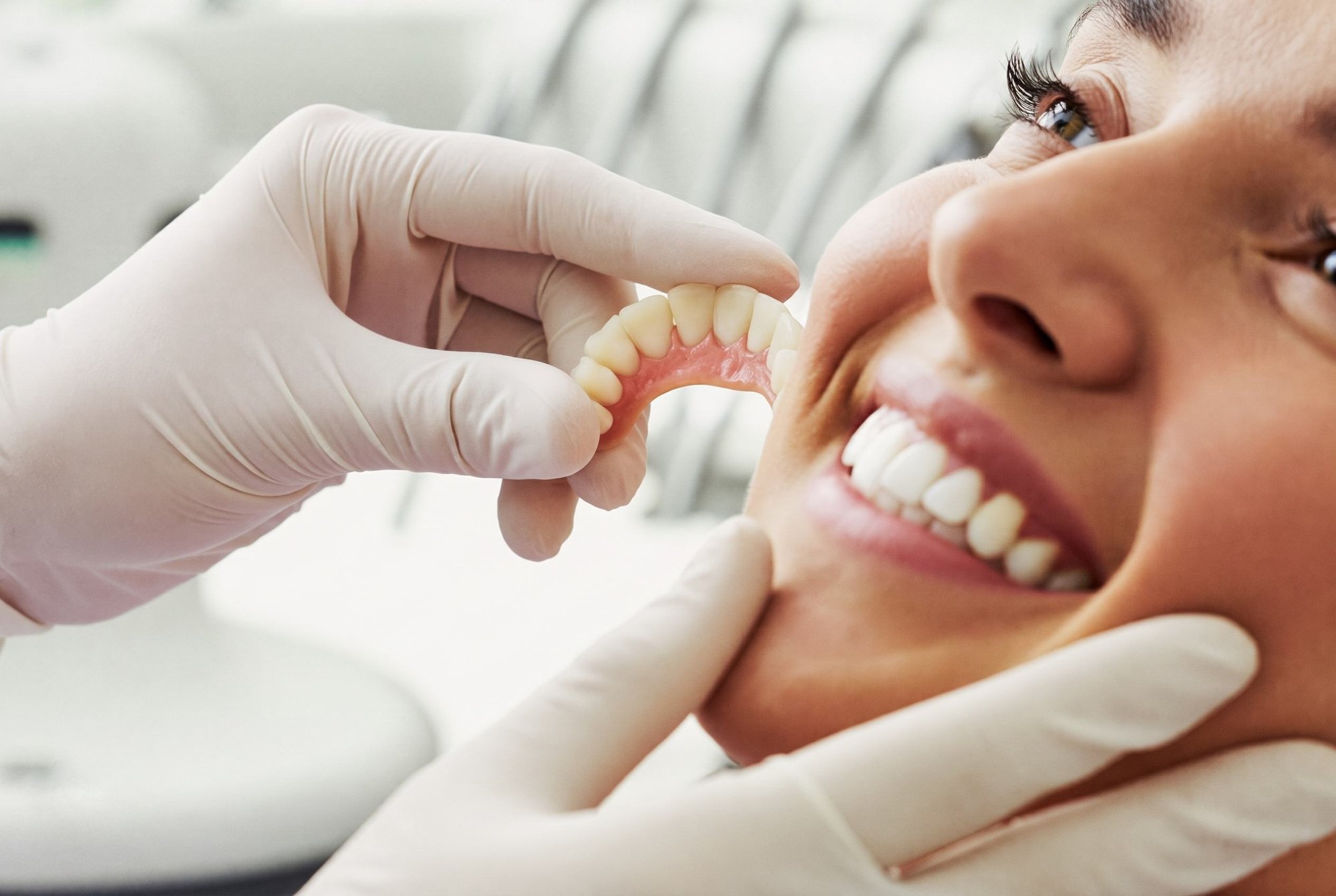
Porcelain veneers are thin, laboratory-made facings bonded to the front of the teeth. Because a dental technician makes them, they allow very fine control over shape, translucency and surface texture. They usually need two appointments and some preparation of the tooth surface, so the change is permanent.
How they compare
- Tooth preparation: bonding needs little or none, while porcelain veneers need a thin layer of enamel removed.
- Appointments: bonding is usually completed in a single visit, and veneers typically take two.
- Reversibility: bonding is reversible in most cases, but porcelain veneers are not.
- Durability and staining: porcelain is harder-wearing and highly stain-resistant. Composite can chip or discolour over time, although it is easy to polish and repair.
- Lifespan: as a general guide, bonding lasts around five to seven years before it needs refreshing, and well-maintained porcelain veneers often last ten to fifteen years. Habits such as grinding shorten both.
- Cost: bonding is the more affordable option, and veneers are a larger investment.
Which is right for you?
Bonding often suits small chips and gaps, and anyone who wants a noticeable improvement without altering their natural teeth. Veneers tend to suit larger changes in shape or colour, heavily worn or discoloured teeth, and full smile transformations where longevity and a highly refined finish matter most.
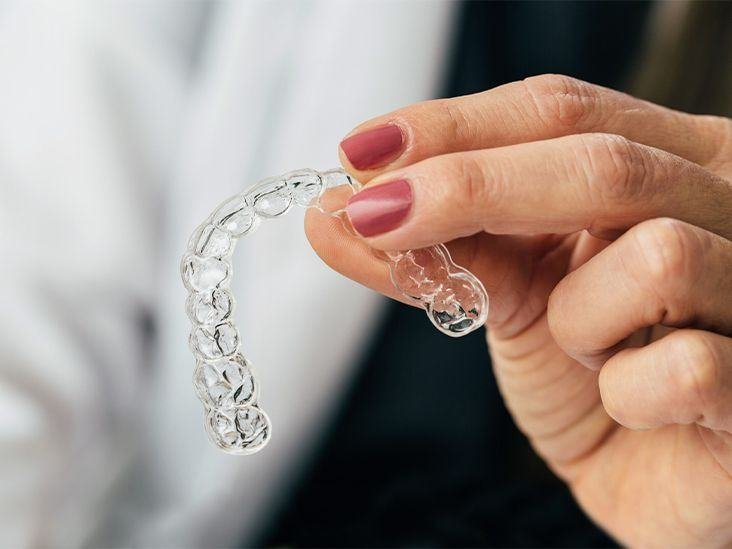
It is not always one or the other. Some patients have veneers on the most visible teeth and bonding elsewhere, and others start with bonding and move to porcelain later. For some, whitening or Invisalign alone achieves what they wanted, with no restorations at all.
Whiten first, then decide
Neither composite nor porcelain responds to whitening. If you would like a brighter shade overall, we usually recommend whitening before bonding or veneers so that everything can be matched to your new colour.
How we help you choose
At your cosmetic consultation, Dr Zain assesses your teeth, gums and bite, talks through what you would like to change, and explains the pros and cons of each route for your particular smile. Our recommendation is always based on what will genuinely achieve the result you are looking for, never on what is quickest to deliver. Book a consultation to find out which option suits you.